Your Cart
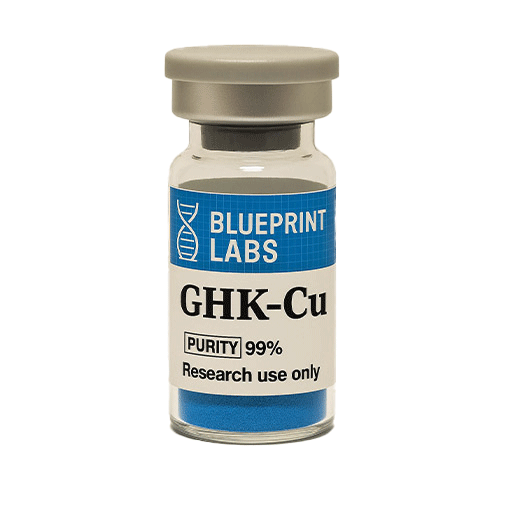
Drop your email and we'll send you a free shipping code right now. Third-party tested, 2-day delivery — your research compounds delivered on us.
Your free shipping code is on its way.
Use it at checkout on blueprintlab.shop
Check your inbox — we also sent a copy there.

Join 25,000+ researchers who trust Blueprint Labs for third-party tested peptides.
Why researchers choose Blueprint Labs:
Join 25,000+ researchers. Takes 10 seconds.
Blueprint Labs supplies third-party-tested research compounds strictly for in-vitro laboratory use — not for human or veterinary consumption. By entering you confirm you are at least 21 and agree to our Terms & Privacy Policy.